


Legal Advice
Hong Bang Law Firm as one of the leading law firms in Vietnam has been providing clients with the fastest and most effective legal consulting services! Coming to Hong Bang Law is coming to a team of experienced, enthusiastic and ethical lawyers and consultants, we always put the trust of our customers on the top, bringing customers satisfaction. best.
Xem thêm- All people are equal before the Law.
- A good Lawyer will make the difference for you.

Free Legal Advice
1900.6575Our services


Investment consulting
Hong Bang Law Firm provides red book issuance services; Red book transfer service; Red book separation and consolidation services; Service of applying for red book of apartments; Solution service...

Intellectual Property
In the system of business lines prescribed by law, there are business lines with business conditions that are mandatory for enterprises to meet if they want to...

Land - Marriage and family - Labour
Hong Bang Law Firm as one of the leading law firms in Vietnam has been providing clients with quick legal consulting services...

Legal advice
Hong Bang Law Firm as one of the leading law firms in Vietnam has been providing clients with quick legal consulting services...

Are you having problems and need help? We are here to help you!
All people are equal before the law. A good lawyer will make the difference for you. We will accompany you.
Our lawyer

Nguyen Duc Trong
Lawyer
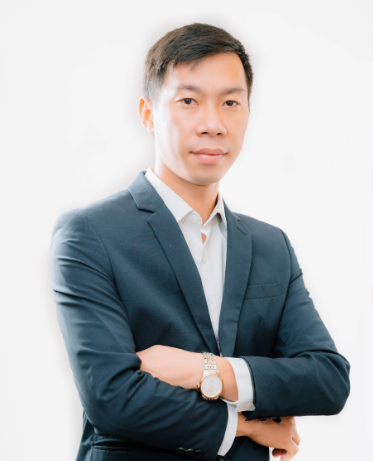
Hoang Duc Hoa
Lawyer

To Minh Tien
Lawyer

Nguyen Minh Khoi
Lawyer

Tran Thi Mai Suong
Master

Nguyen Thi Hai Ha
Trainee Lawyer

Nguyen Thi Thao
Lawyer
Our Legal Experience

1000+
Trusted business

600+
The project had finished

600+
Customer Satisfaction

200+
Prize
Customers talk about us
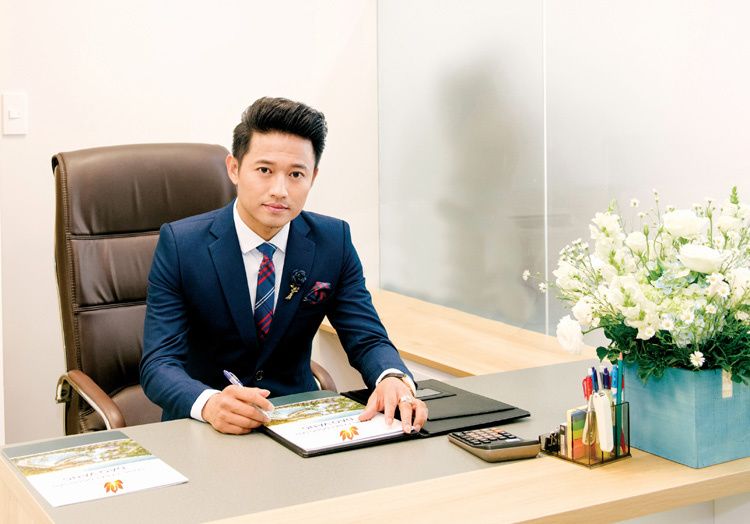
Hong Bang Law Firm is a reliable law firm that we have worked with for the past 1 year. The services that Law Hong Bang provide all meet our standards: efficiency and punctuality. After working for a while with Hong Bang Law, I have the following feelings about the company: Professionals are friendly, gentle and polite. Professional and efficient service.
Mr. Tran Duy Khanh

Hong Bang Law Firm is a reliable law firm that we have worked with for the past 1 year. The services that Law Hong Bang provide all meet our standards: efficiency and punctuality. After working for a while with Hong Bang Law, I have the following feelings about the company: Professionals are friendly, gentle and polite. Professional and efficient service.
Mr. Huynh Van Ninh

Hong Bang Law has cooperated with Tractebel from our first days working in Vietnam till now. In 2 years of operation, Hong Bang Law Firm has acted as the main legal team for several Tractebel's wind and solar power projects across the country. Moreover, Hong Bang Law Firm has also accompanied us in the internal management of the business. Professionalism and enthusiasm are the first things that come to mind when I think about Hong Bang. Whatever job is given, from small projects to huge ones, Hong Bang's lawyers are always dedicated to supporting their clients with all their heart and knowledge. It's the best thing that makes me feel the most impressed
Ms. Dang Hoang Yen

“Enthusiasm, prestige and professionalism are my impressions of Hong Bang’ staff. CHEC is a state-owned enterprise of China, however, we only entered the Vietnamese market a short time ago and we still have some flaws in legal aspects. Hong Bang Law Firm is definitely the perfect factor to the overall development of CHEC in Vietnam. Hong Bang's lawyers and legal experts are really dedicated, they always come up with great ideas, which help us a lot. CHEC appreciates the cooperation with Hong Bang and we are always willing to continue working with Hong Bang.”
Mr. Liao Ran (Ryan)

“Hong Bang is an expert in the field of foreign contractors. From the establishment of the project management office to those work related to labor issues, contracts, taxes, or social insurance, ect, Lawyers of Hong Bang always give us enthusiastic support and assistance. The quality of the services and prices provided by Hong Bang Law Firm are really beyond my expectations.”
Mr. Zhang Chenyang

“Hong Bang is a law firm with a heart and a vision. To ensure the progress of the project, the most important requirements of Hengtong are accuracy and fast progress. Hong Bang Law Firm is the only company that can meet the above factors and always bring out good results and satisfaction in every case. That is the reason why we always choose Hong Bang as a leading partner to provide legal services for Hengtong Group when conducting investment in Vietnam.”
Mr. Ren Guangyuan

“Comprehensive, caring and professional. Powerchina and Hong Bang have been close partners for many years. It is the fact that most of Powerchina's internal and external problems, including investment projects and other activities, are being supported by Hong Bang. They have everything a client can ask from a law firm, which are reasonable cost, dedicated service and excellent problem-solving team of lawyers. We absolutely believe that Hong Bang will bring more benefits to Powerchina in the future.”
Mr. Thanh
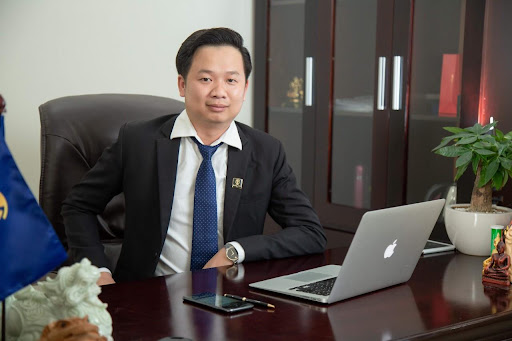
“Hong Bang Law Firm has a team of highly qualified, reputable, professional and experienced lawyers in many fields. I have to say that Hong Bang is a great law firm that can advise and handle business-related work very effectively, their customer caring team is nice and conscientious. I have experienced the service and feel very satisfied!”
Mr. Phong
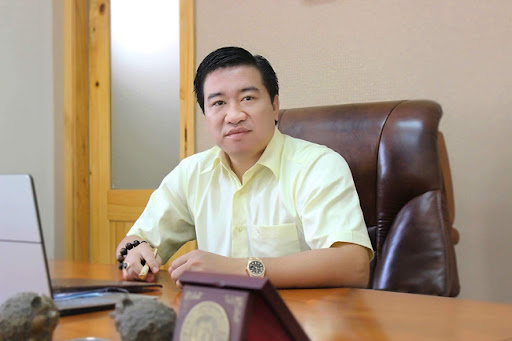
“Hong Bang is the law firm that meets all requirements of clients, including domestic enterprise, foreign investor, organizations and individuals. As a foreign bank, ICBC often encounters legal problems related to diverse fields, such as: corporate, investment, labor, commercial business, civil area, intellectual property and disputes resolution. After experiencing the legal services of Hong Bang Law Firm, we feel very satisfied with the results and impressed with their professional working style .”
Mr. Dao Canh Hoa
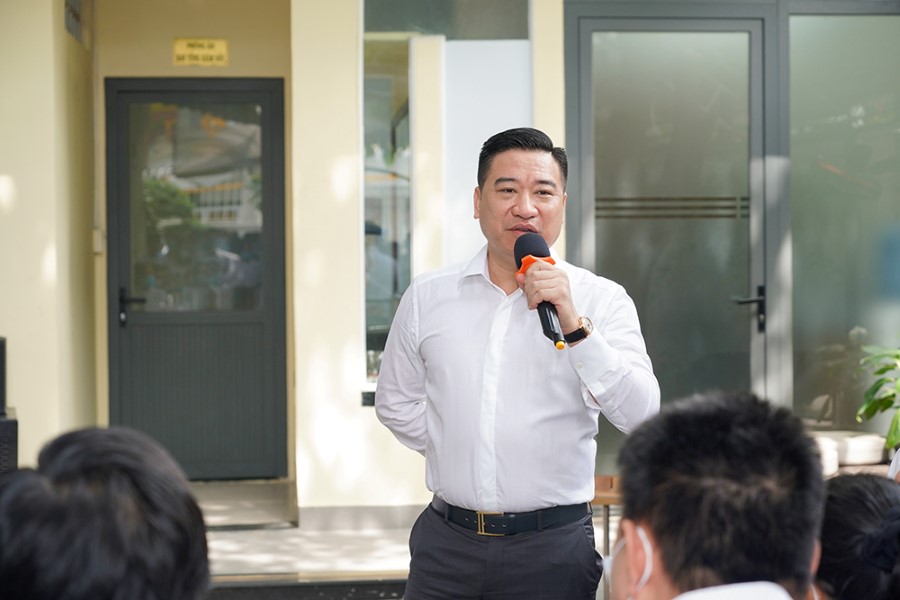
“The general intellectual property consulting service of Hong Bang Law Firm is really excellent. Hong Bang not only does the procedure quickly, solves problems effectively but also consults everything enthusiastically and charges reasonable prices. We will continue to use Hong Bang’s services for future projects.
Mr. Vu Tuan Cuong

“We trust and choose Hong Bang Law Firm for all of our current and future projects because of Hong Bang’s team of experienced lawyers, dedicated consulting service and very reasonable service fees. In addition, the processing of Hong Bang is very fast and everything is done in a professional way. Their team of lawyers is not only experienced in the field of consulting, but also has seniority in resolving commercial and business disputes.
Ms. Tran Hien Dung

“High quality services and reasonable prices, along with extensive experience in investment consulting activities, we are extremely satisfied with what Hong Bang Law Firm has brought to us. This is a trustful law firm, which is definitely worth cooperating with.”
Mr. Dang Nguyen Tuan
Request a free consultation
Partners - Customers